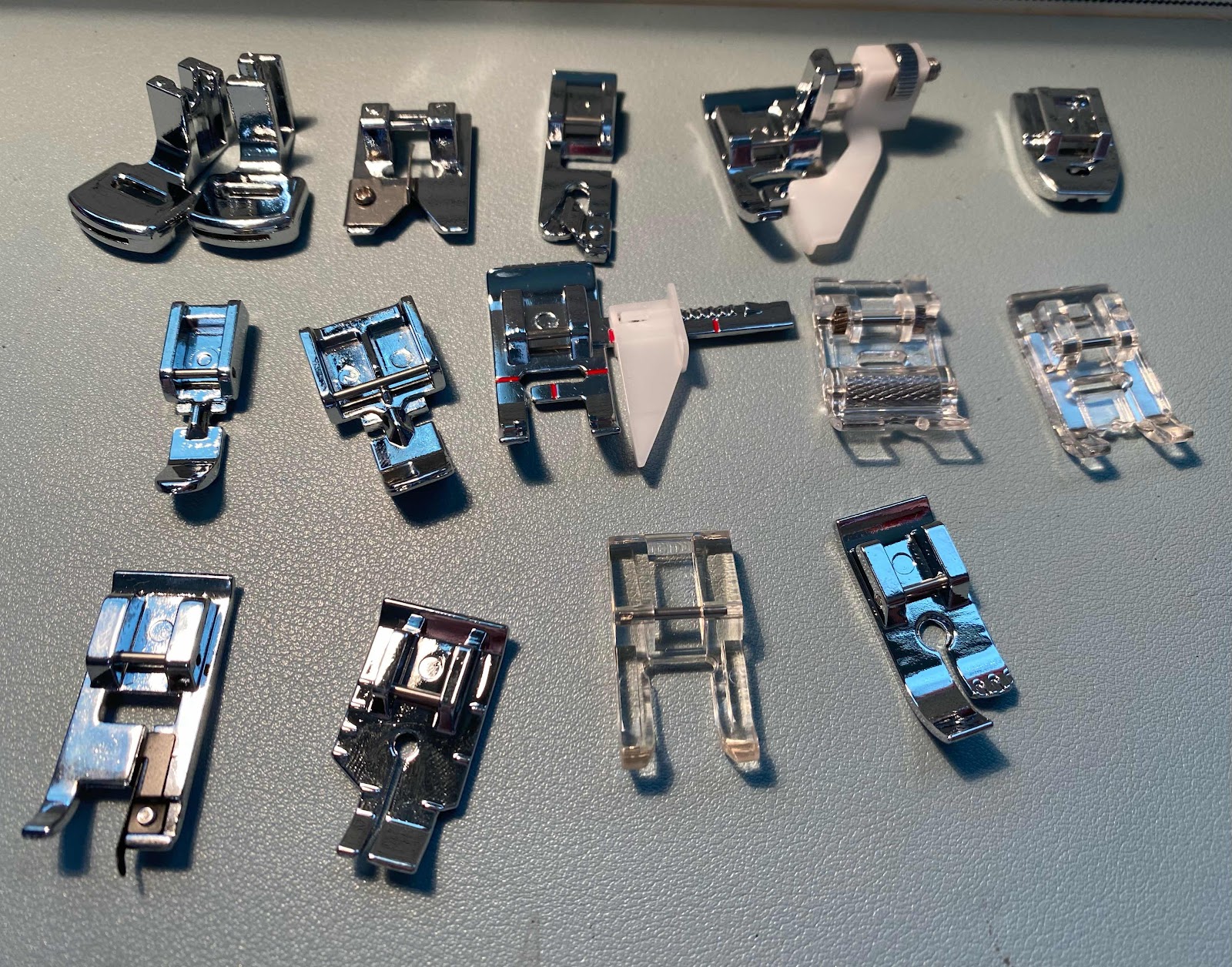
Sewing Feet


From left to right...
1. Button hole 
2. Hard to see... maybe 1/4"
3. Stitch in the ditch
4.zipper
5. General
6.not sure
Each one should have a letter or number on the top, which corresponds to description in your manual.
Look in your manual.  There is a description of each one along with a picture.


Organized lots of my feet in a pocket organizer I purchased from Amazon „here“. Now I can see them all nice and clearly. 
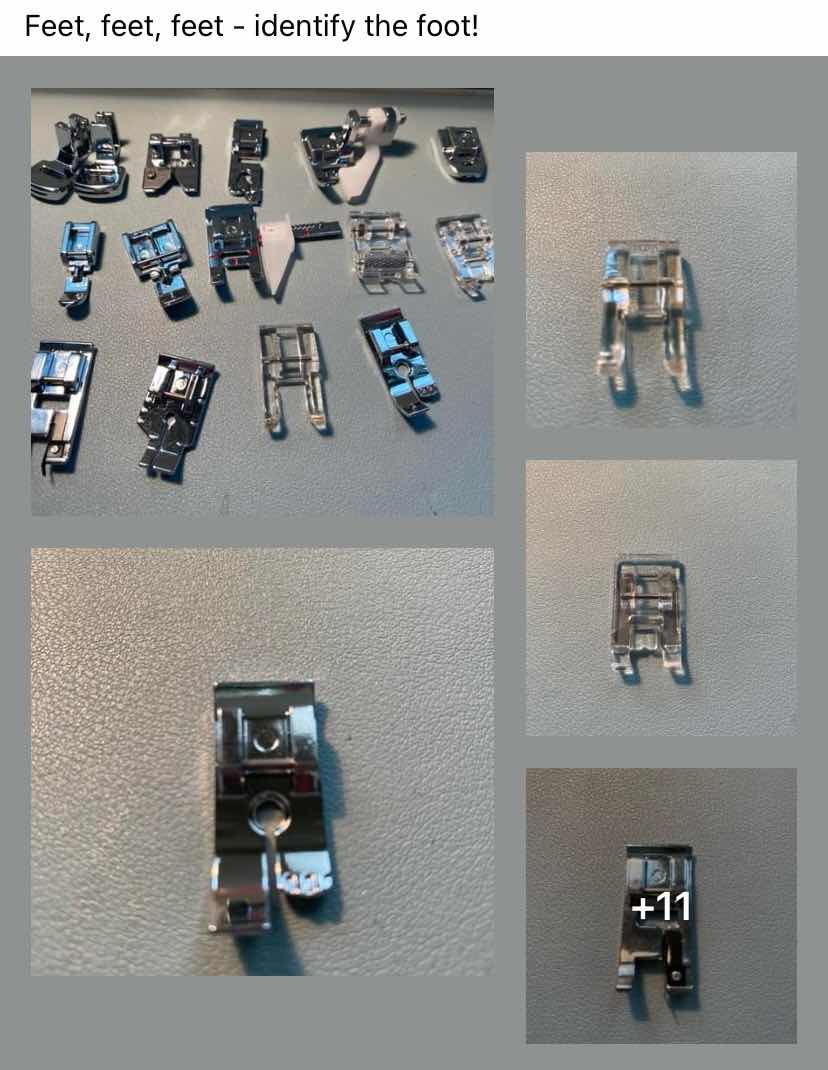

Well now. These shall come in handy won’t they. 🎊Egg cartons!🙌🏿 A book I have of ‘extra-ordinary uses for everyday things’|the book’s actual name| yielded the idea to store bobbins in egg cartons. I thought, hmmm🤔, might my goal to sort through machine feet be accomplished as well? And on the cheep-cheep? Yeppers! I think two more will do the job! AND I will head over to google and see if it will give info to put in the number located on feet to identify their use! Yay!😇🥰☺️


Other Links:

Comments

Popular posts from this blog

Fidget Blanket (Fummeldecke) Ideas

This will be my first time ever making a fidget blanket- I was so happy to have the opportunity today to gift my Oma a fidget blanket. I love her with all my heart, it just makes me so sad that not much can be done for her while struggling through dementia. She told me it was beautiful and she appeared to like it. I showed her each square and what she can do with it. The first thing she noticed was the wording; „Mit Liebe Gemacht“ which translates to „Made with love“.  Oma Hildegard is German and I wanted to make sure she would recognize things and always remember that we love her.  What is a Fidget Blanket? Fidget blankets are therapeutic small lap quilts to which different kinds of things are sewn or added on. These items offer sensory stimulation that can have a calming effect on patient who struggle with memory loss. The Fidget blankets help them stay busy avoiding boredom. It provides a means of performing repetitive behaviors that are often reassuring and calming. ...

The Low Oxalate Diet

A low-oxalate diet is a diet that is low in oxalates. Oxalate is a chemical found mostly in plant foods. A low oxalate diet can help prevent future kidney stones.  The most common type of kidney stone is calcium and oxalate. The following are low oxalate foods Meat:  All fresh and frozen meats: beef, pork, chicken, turkey; fish and seafood such as flounder, salmon, tuna, shrimp, scallops; and eggs. (Avoid cured meats.) Dairy:  Dairy products made with cow’s and goat’s milk, including buttermilk, skim milk, 1% and 2% milk, whole milk; butter; all cheeses, including cheddar, feta, farmer, goat, mozzarella, Parmesan; sour cream, whipping cream, half & half; yogurt, plain, or with low oxalate fruit. Fruits:  Apples, avocados, cherries, cranberries, bananas, melons (cantaloupe, honeydew, watermelon), seedless grapes (red and green), peaches, plums. Vegetables:  Asparagus, broccoli, cauliflower, cucumbers; iceberg and Romaine lettuc...

Healthy Recipes

Cauliflower Chili Zucchini Sliders Zucchini Sliders Links: Chicken Wrap Chicken Parmesan More Recipes More Healthy Food (Free Recipes) Facebook Health Group for Women Tried & True Recipes