 |
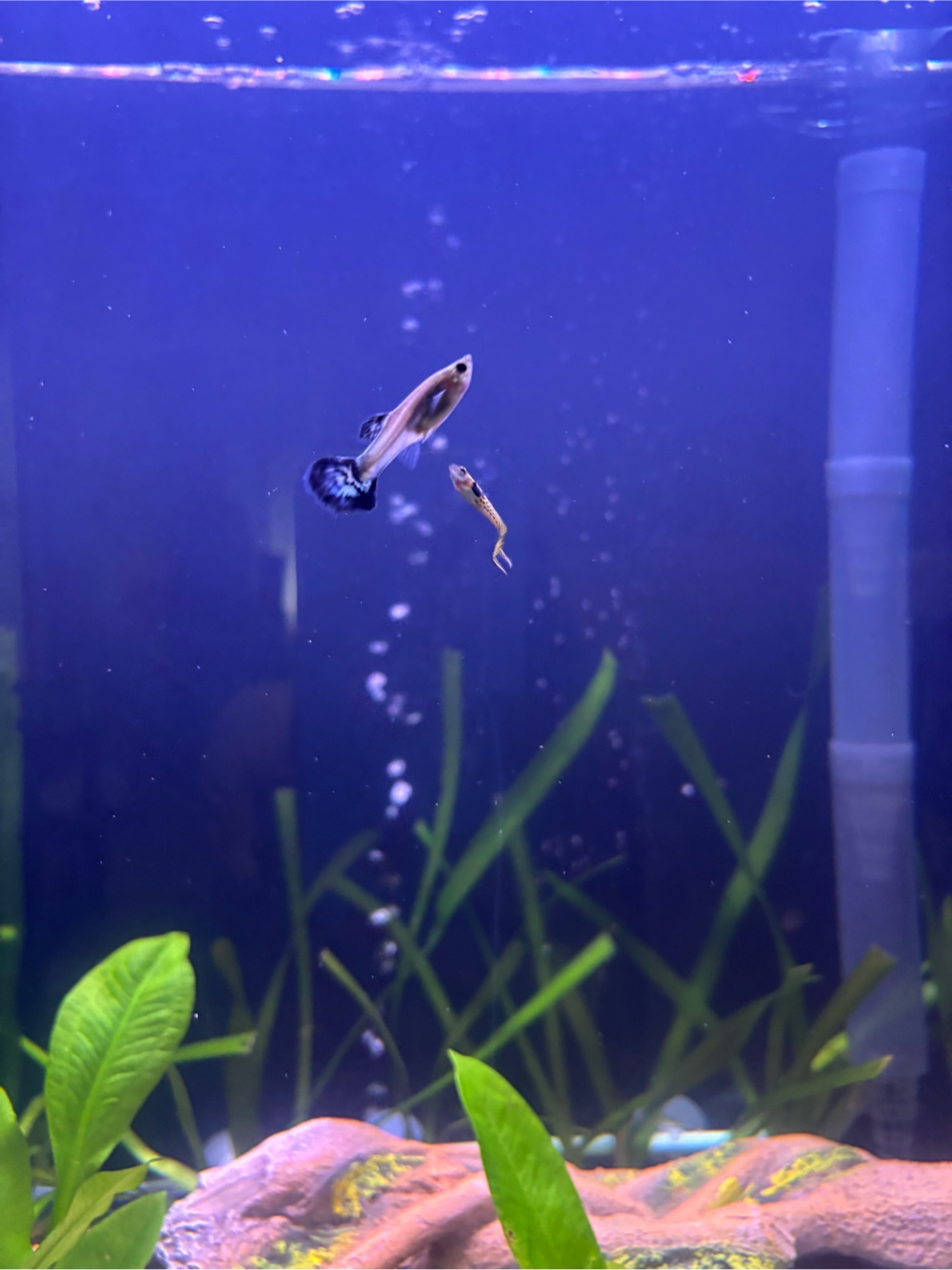
Large Blue Nebula Female Guppies: Care, Appearance & What Makes Them Special
You finally ordered your first batch of Blue Nebula guppies, and they are such a stunning choice. This strain—also known as the Nebula Steel guppy—is prized for its metallic sheen, galaxy‑like patterns, and deep blue coloration. Even the females, though less colorful than the males, carry the genetics that make this line so beautiful.
Below is a clearer, more informative version of your post to help readers understand what makes these guppies unique and how to care for them.
🌌 What Are Blue Nebula (Nebula Steel) Guppies?
Blue Nebula guppies are known for their iridescent, metallic blue bodies and intricate tail patterns. Under aquarium lighting, their colors shift like a galaxy—flashes of blue, purple, teal, and even hints of yellow or black.
They are highly sought after for:
Display tanks
Selective breeding
Their hardy, peaceful nature
🎨 Appearance of Female Blue Nebula Guppies
Female Nebula guppies don’t show the same intense coloration as males, but they still have beautiful features:
Size: 1.5–2.4 inches (4–6 cm)
Body shape: Larger and rounder than males
Color: Subtle metallic tones, often with a faint blue sheen
Gravid spot: Darkens as they mature or become pregnant
Their role is essential—females carry and pass on the genetics that create the Nebula Steel’s signature look.
⭐ Key Characteristics & Care
✨ Appearance
Metallic “cobra skin” or snakeskin pattern
Deep blue and purple tones
Each fish is unique—no two patterns are identical
🐠 Temperament & Hardiness
Peaceful and active
Great for community tanks
Adaptable and beginner‑friendly
🌡️ Water Requirements
Prefer hard, alkaline water
Temperature range: 72–78°F
Clean, stable water helps maintain their color and health
🍽️ Diet
Omnivores that thrive on variety
Flakes, micro‑pellets, frozen foods
Live foods like baby brine shrimp enhance color and breeding success
🧬 Breeding Notes
Blue Nebula guppies are known to breed true, meaning their offspring reliably show the Nebula Steel traits. Females may not be as colorful, but they are crucial for producing strong, healthy lines.
If you’re pairing them with your Turquoise males, you may see:
New color blends
Metallic overlays
Unique tail patterns
This can be a fun way to explore your own line‑breeding projects.
🌟 Why Aquarists Love This Strain
Dazzling neon‑blue coloration
Galaxy‑like tail patterns
Peaceful, hardy, and easy to keep
Excellent for both beginners and breeders
Blue Nebula guppies bring a cosmic glow to any aquarium—especially when paired with complementary strains like your turquoise males.
Comments
Post a Comment
I love to hear back from my readers, please leave a message below: