Pregnant Guppy


Female guppies have a relatively quick turnaround time! 


Their gestation period typically lasts between 21 to 30 days, with 28 days being the average.


Because they are livebearers, they give birth to fully formed, free-swimming fry instead of laying eggs.


Here are a few quick facts to help you track her progress:

The "Reset" Button: Female guppies can store a male's sperm for up to several months. This means she can give birth to a new batch of fry roughly every 4 weeks without a male even being present in the tank.

Temperature Matters: The exact timing depends a bit on water temperature. In warmer water (around 78°F to 80°F), their metabolism speeds up, and the gestation period will lean closer to that 21-day mark.

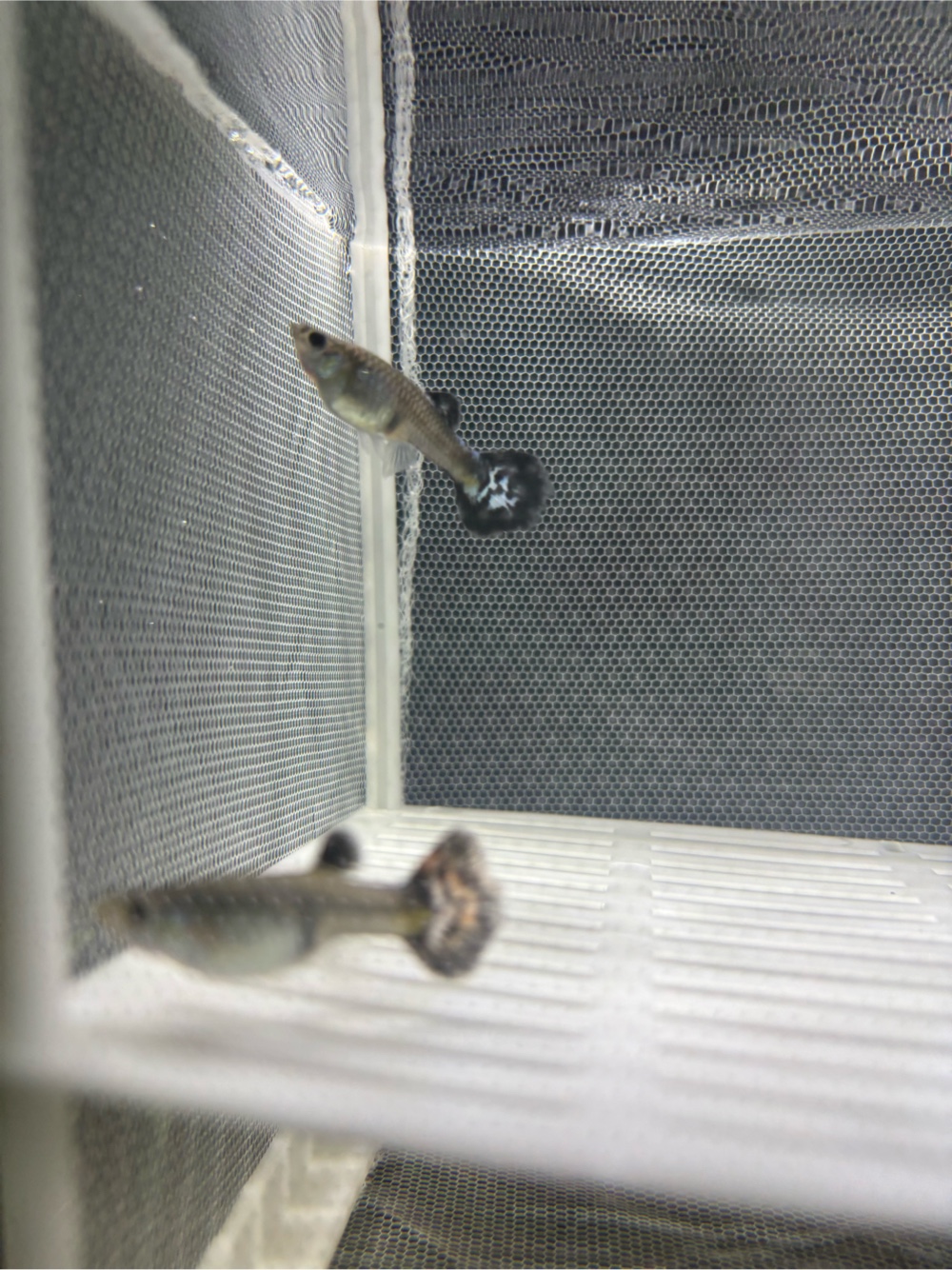
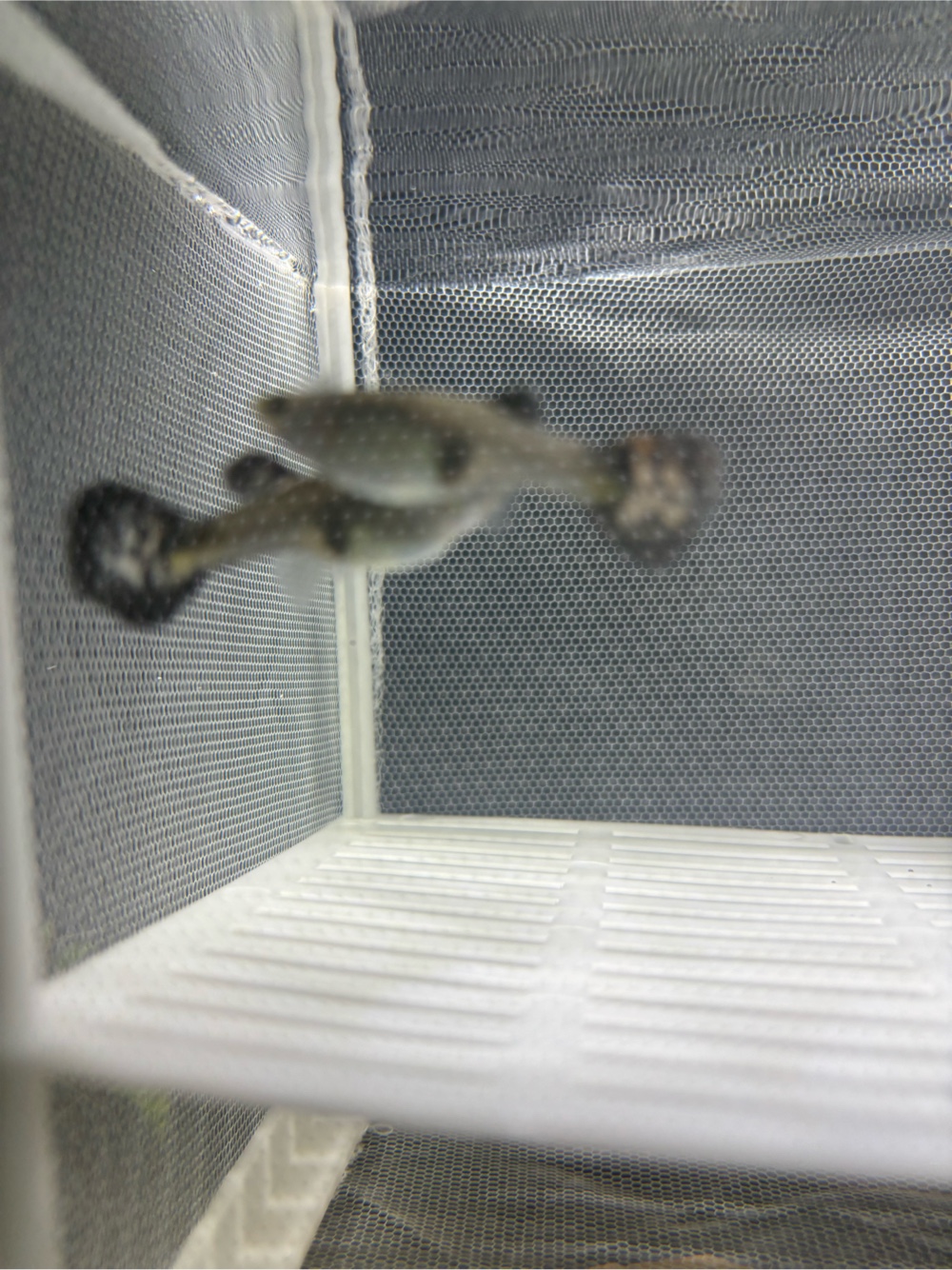
Signs She’s Ready to Pop: As she gets closer to giving birth, her belly will take on a distinct, boxy "squared-off" shape rather than just looking round. The dark gravid spot near her anal fin will also get larger and darker.


Letting nature take its course is a very common—and often necessary—approach! Because livebearers reproduce so quickly, letting the tank balance itself naturally is a great way to prevent overpopulation.


If you are letting them fend for themselves, here is what you can expect to happen in the tank:

Survival of the Fittest: In a community tank, newborn fry are a natural food source for adult fish (including their own parents). Only the fastest, smartest, and best-hidden babies will make it to adulthood.

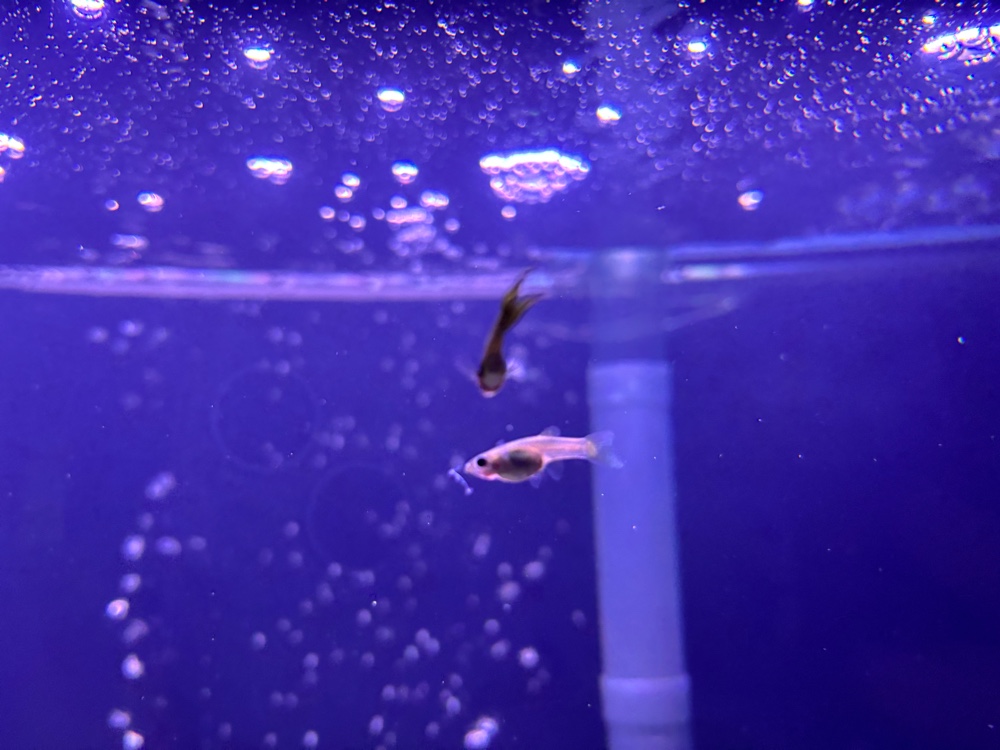
The "Hiding" Phase: Right after birth, the fry will instinctively drop to the bottom or head straight for the top corners and tight spaces to stay out of sight.

Population Growth: Even without any intervention on your part, if you have a decent amount of cover, a few lucky fry from every batch will likely survive. Over time, your colony will naturally grow to match the resource limits of your tank.


Tips to Give a Lucky Few a Fighting Chance

If you want a small handful of survivors to make it through without you having to set up a separate breeder net, you can lean on aquarium plants.

Floating Plants: Species with dense, hanging roots (like Water Sprite, Frogbit, or even clumps of Java Moss tucked near the surface) provide the perfect sanctuary. Tiny fry can easily dart into the root jungle where the bigger fish can't fit.


It's a fun, low-stress way to watch the natural lifecycle unfold right in your living room!


Pregnant guppies require a highly nutritious, protein-rich diet to support the growth of their fry. Feed them a varied mix of high-quality flake foods or micro-pellets as a base, and supplement with live or frozen foodslike brine shrimp and daphnia. [12]
A well-balanced diet ensures both a healthy pregnancy for the mother and robust fry. A great menu to maintain her energy and fry health includes:

  • Staple Foods: High-quality guppy flakes or nano fish micro-pellets formulated for livebearers.
  • Protein Supplements: Live or frozen foods like brine shrimp, daphnia, or bloodworms.
  • Vitamins & Digestion: Small, blanched vegetables (like spinach or peas) once a week to prevent constipation.
  • Fry Food Prep (Post-birth): Once she gives birth, you will need to feed the tiny fry crushed fish flakes, hard-boiled egg yolk, or liquid fry food.
The gravid spot is a dark patch on a female guppy's lower abdomen, just above her anal fin. It indicates her reproductive status. While always present as a female matures, it naturally darkens and expands as she carries developing fry. [12]
Understanding this marker can help you manage your tank and prepare for new fish:
  • General Meaning: It shows the area where a female holds her fertilized eggs and developing babies. If she is a lighter color (such as albino or blonde), the spot may appear orange or pink instead of black.
  • Pregnancy Indicator: A very dark, large, or swollen gravid spot is a strong indicator that she is pregnant. In the later stages of her 28 to 30-day gestation period, you may even be able to spot the tiny, dark eyes of the developing fry through her skin.
  • Approaching Birth: As she gets within days of giving birth, the gravid spot will reach its absolute darkest point (often pitch black). She will also likely begin to look "boxy" or angular in the belly instead of smoothly rounded, and she may hide among plants or in tank corners. [1234567]
To ensure the safety of any upcoming fry, it is helpful to provide plenty of dense floating plants or a secure breeding trap so the newborn fish have places to hide from adult fish. 

Comments

Popular posts from this blog

Fidget Blanket (Fummeldecke) Ideas

This will be my first time ever making a fidget blanket- I was so happy to have the opportunity today to gift my Oma a fidget blanket. I love her with all my heart, it just makes me so sad that not much can be done for her while struggling through dementia. She told me it was beautiful and she appeared to like it. I showed her each square and what she can do with it. The first thing she noticed was the wording; „Mit Liebe Gemacht“ which translates to „Made with love“.  Oma Hildegard is German and I wanted to make sure she would recognize things and always remember that we love her.  What is a Fidget Blanket? Fidget blankets are therapeutic small lap quilts to which different kinds of things are sewn or added on. These items offer sensory stimulation that can have a calming effect on patient who struggle with memory loss. The Fidget blankets help them stay busy avoiding boredom. It provides a means of performing repetitive behaviors that are often reassuring and calming. ...

Healthy Recipes

Cauliflower Chili Zucchini Sliders Zucchini Sliders Links: Chicken Wrap Chicken Parmesan More Recipes More Healthy Food (Free Recipes) Facebook Health Group for Women Tried & True Recipes

The Low Oxalate Diet

A low-oxalate diet is a diet that is low in oxalates. Oxalate is a chemical found mostly in plant foods. A low oxalate diet can help prevent future kidney stones.  The most common type of kidney stone is calcium and oxalate. The following are low oxalate foods Meat:  All fresh and frozen meats: beef, pork, chicken, turkey; fish and seafood such as flounder, salmon, tuna, shrimp, scallops; and eggs. (Avoid cured meats.) Dairy:  Dairy products made with cow’s and goat’s milk, including buttermilk, skim milk, 1% and 2% milk, whole milk; butter; all cheeses, including cheddar, feta, farmer, goat, mozzarella, Parmesan; sour cream, whipping cream, half & half; yogurt, plain, or with low oxalate fruit. Fruits:  Apples, avocados, cherries, cranberries, bananas, melons (cantaloupe, honeydew, watermelon), seedless grapes (red and green), peaches, plums. Vegetables:  Asparagus, broccoli, cauliflower, cucumbers; iceberg and Romaine lettuc...